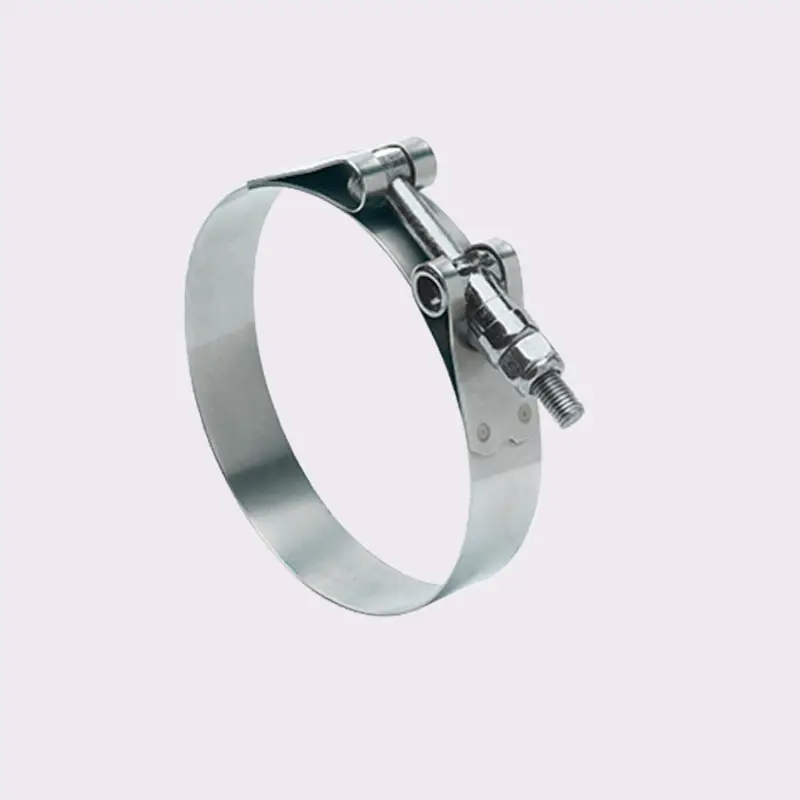
If you’ve ever dealt with a hose that starts leaking even after you tightened the clamp properly, you’re not alone. A lot of that comes down to something called cold flow, where the hose material slowly changes shape over time. Constant-tension hose clamps help fix this by keeping steady pressure on the hose even after it starts to relax.
Constant-tension hose clamps stop cold flow by keeping steady pressure on a hose as it changes over time. Cold flow happens when rubber or silicone hoses slowly deform under pressure, which lowers the sealing force. These clamps use a built-in spring system to adjust automatically, so the connection stays tight even when the hose expands, contracts, or relaxes with heat and pressure changes.
What Is Cold Flow in Hoses?
Cold flow is what happens when a hose slowly changes shape after you clamp it down. Even if everything is tight at first, the rubber or silicone underneath the clamp can slowly move over time.
You’ll usually see this in:
- Coolant hoses in cars and trucks
- Silicone hoses in performance engines
- Soft rubber hoses in machines and equipment
The problem is that the hose doesn’t stay perfectly in place. It slowly “relaxes,” which means the clamp ends up holding less force than it did when you first installed it.
Why Does Cold Flow Happen at Hose Connections?
Cold flow happens because hose materials aren’t completely rigid. They act a bit like soft plastic and slowly adjust when pressure is applied.
A few main reasons it happens:
- Constant pressure: The clamp keeps squeezing the hose
- Heat: Hot and cold cycles make the material expand and shrink
- Soft material: Rubber and silicone are flexible by design
- Time: The longer it sits under pressure, the more it changes shape
Even if you install everything correctly, the material itself keeps shifting.
What Happens If You Don’t Control Cold Flow?
If cold flow isn’t managed, the seal will slowly get worse over time. You might not notice it right away, but eventually, problems start showing up.
Common issues include:
- Small leaks that get worse over time
- Loss of coolant or fluid pressure
- Air leaks that hurt engine performance
- Hoses slipping or popping off under pressure
- More maintenance and repairs than expected
For wholesalers or suppliers, this can turn into customer complaints or warranty problems.
How Do Constant Tension Hose Clamps Prevent Cold Flow?
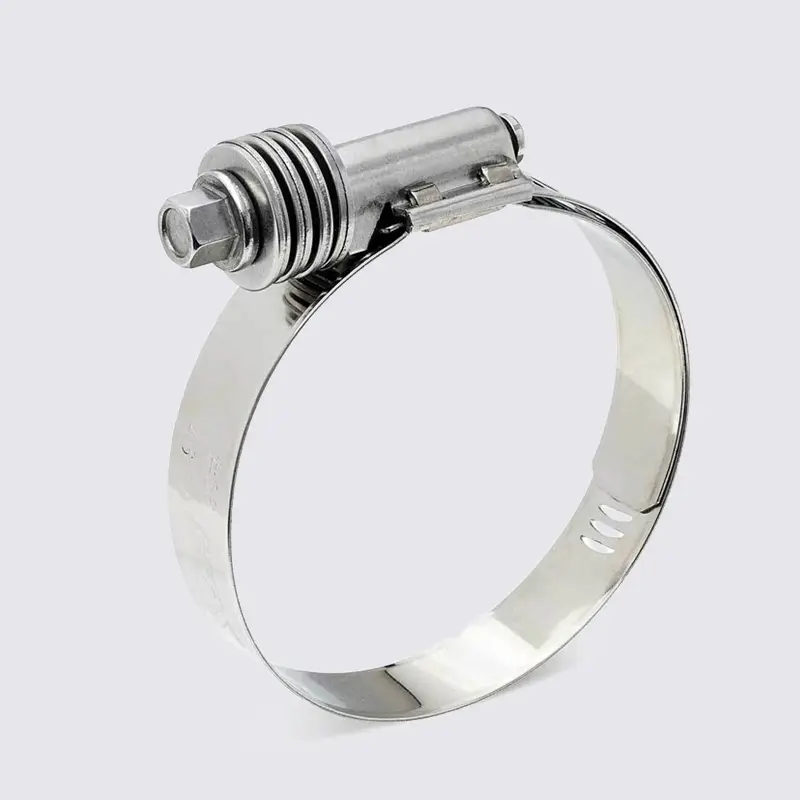
Constant-tension clamps are designed to solve this exact problem. Instead of staying fixed in one position, they adjust themselves as the hose changes.
Here’s how they work:
- You install the clamp and tighten it normally
- Inside the clamp is a spring or tension system
- As the hose slowly relaxes, the spring pushes back
- This keeps the pressure on the hose steady over time
So instead of losing force like a regular clamp, it keeps “following” the hose as it changes.
How Are Constant Tension Hose Clamps Different from Standard Hose Clamps?
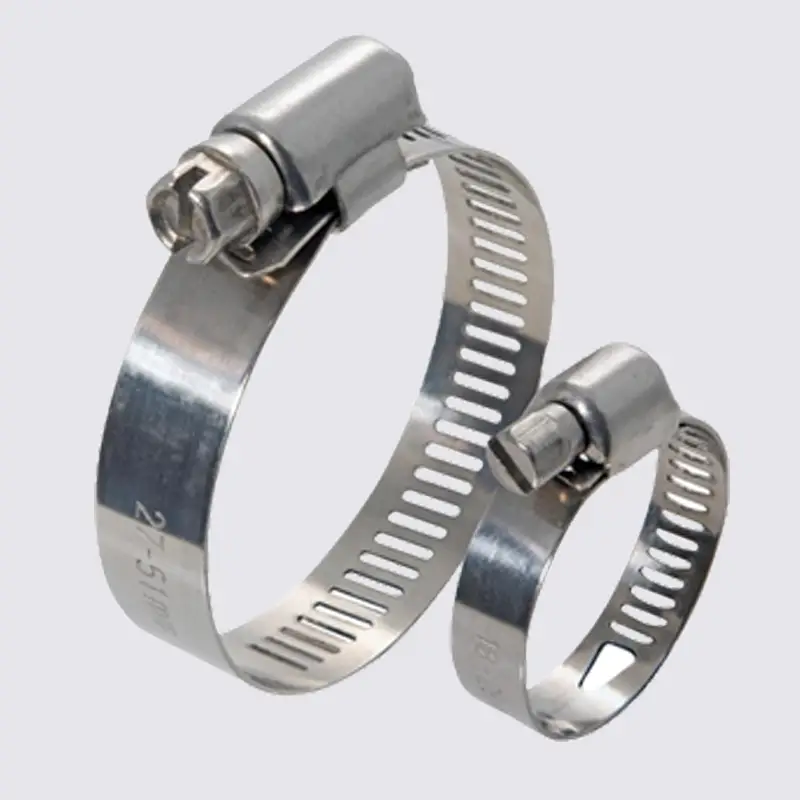
A regular worm gear clamp is simple: you tighten it, and it stays that way. The problem is that it doesn’t adjust when the hose changes.
Here’s the difference in simple terms:
Standard hose clamps:
- You tighten it once
- It can loosen over time
- You may need to retighten it later
- Cheaper, but less reliable long-term
Constant-tension hose clamps:
- They adjust themselves automatically
- They keep steady pressure even when the hose changes
- They handle heat and vibration better
- They’re used more in professional and OEM systems
If you want fewer leaks and less maintenance, constant-tension clamps usually perform better.
What Materials and Technology Are Used in Constant Tension Hose Clamps?
These clamps are made to stay strong and flexible at the same time.
Common materials include:
- Stainless steel 304 or 316: helps prevent rust
- Spring steel: gives the clamp its “constant pressure” ability
- Coated metals: protect against corrosion
- Belleville washers or spring bands: provide steady tension
Some higher-quality versions are also designed to handle:
- High heat
- Constant vibration
- Harsh chemicals or outdoor use
The goal is to make sure the clamp keeps working even after long periods of stress.
What Are the Benefits of Using Constant Tension Hose Clamps?
When you use constant-tension clamps, the biggest benefit is stability over time.
You get:
- Fewer leaks
- Less need for maintenance
- Better performance in hot or cold conditions
- More reliable sealing in engines and machines
- Fewer surprise failures in the field
For wholesale buyers, this often means fewer returns and happier customers.
How Do You Choose the Right Constant Tension Clamp?
Picking the right clamp depends on where and how it will be used.
You should think about:
- Hose material: rubber, silicone, or reinforced types
- Temperature range: hot engines or cold environments
- Pressure level: higher pressure needs stronger tension
- Environment: wet, salty, or chemical-heavy conditions
- Hose size changes: some hoses expand more than others
Getting the right match matters because the clamp has to fit both the size and the conditions.
Why Choose High Quality Constant Tension Clamps?
Not all clamps are built the same. Cheaper ones might lose tension faster or rust sooner than expected.
Higher-quality clamps usually give you:
- More consistent pressure over time
- Longer lifespan
- Better resistance to heat and corrosion
- Fewer failures in real world use
If you’re selling or supplying them, better quality also means fewer customer complaints and returns.
Summary
Cold flow is a normal but frustrating problem in hose systems because materials slowly change shape over time. Constant-tension hose clamps solve this by keeping steady pressure even as the hose moves and relaxes. That’s why they’re widely used in systems where leaks just aren’t acceptable.